Useful work per watt or gallon
Lighting maps, pump curves, emitter rates, and test-meter accuracy matter more than a bigger headline number.
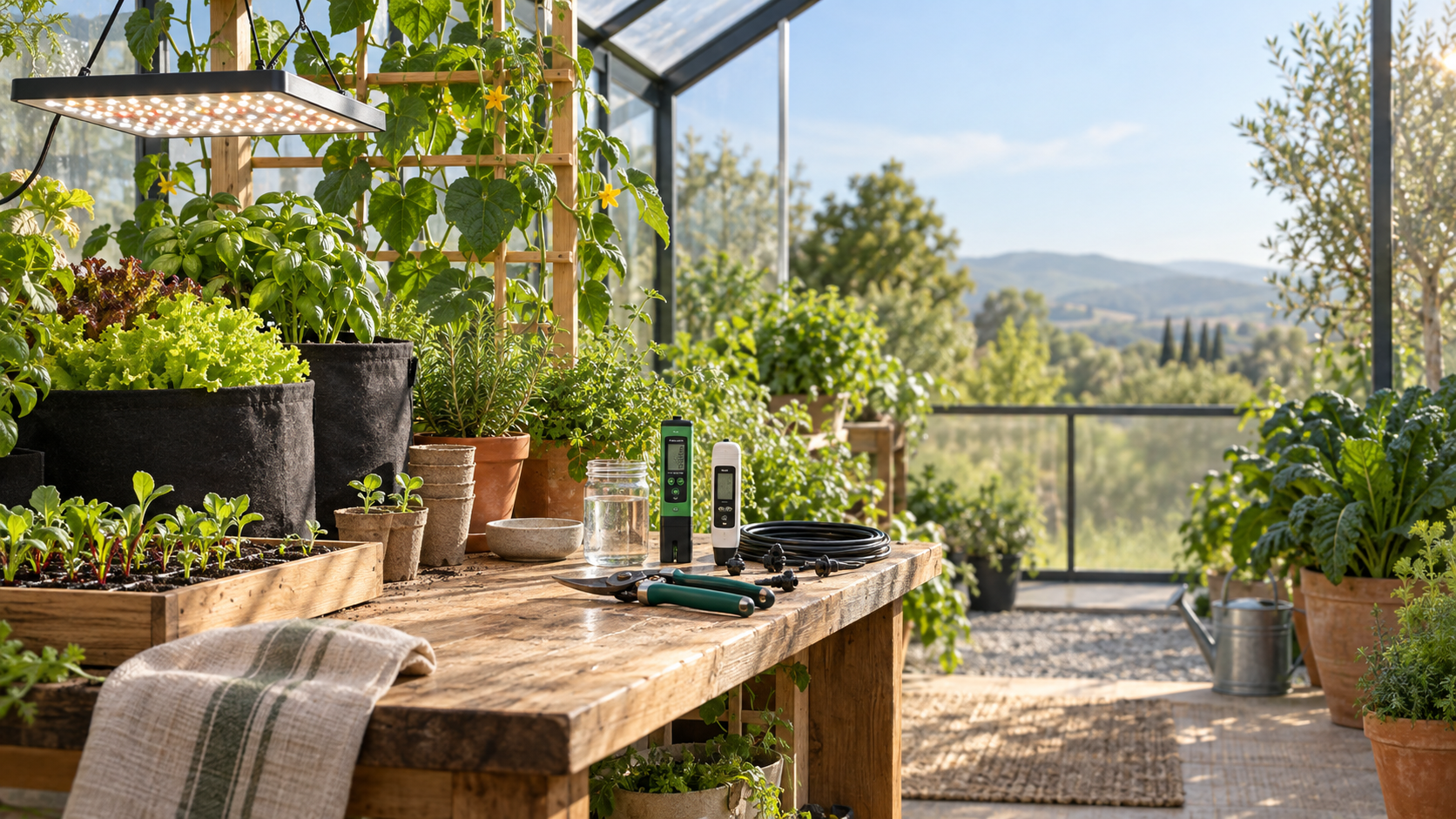
Field-tested thinking for home growers
A focused collection for seedlings, herbs, leafy greens, and compact food gardens—chosen around repairability, resource use, and clear specifications.
Good growing gear should help you see what is happening, use only what the plants need, and last beyond one season.
Opening field kit
These unbranded briefs define the launch assortment. A branded offer appears only after the maker approves online resale and confirms specifications, inventory, warranty, and fulfillment.
Setup planner
Start with the growing space
Choose a use case and we will show the smallest sensible equipment group from the preview catalog.
Select your growing plan to see a starting kit.
Selection method
Efficiency claims need context. We look for measurable output, replaceable parts, safety certifications where applicable, published operating limits, and realistic maintenance.
Lighting maps, pump curves, emitter rates, and test-meter accuracy matter more than a bigger headline number.
Probes, emitters, trays, hangers, batteries, and blades should not turn a whole product into waste.
We publish dimensions and coverage assumptions so a windowsill is not sold a warehouse solution.
Listings require written resale permission, reliable inventory information, and defined returns and warranty handling.
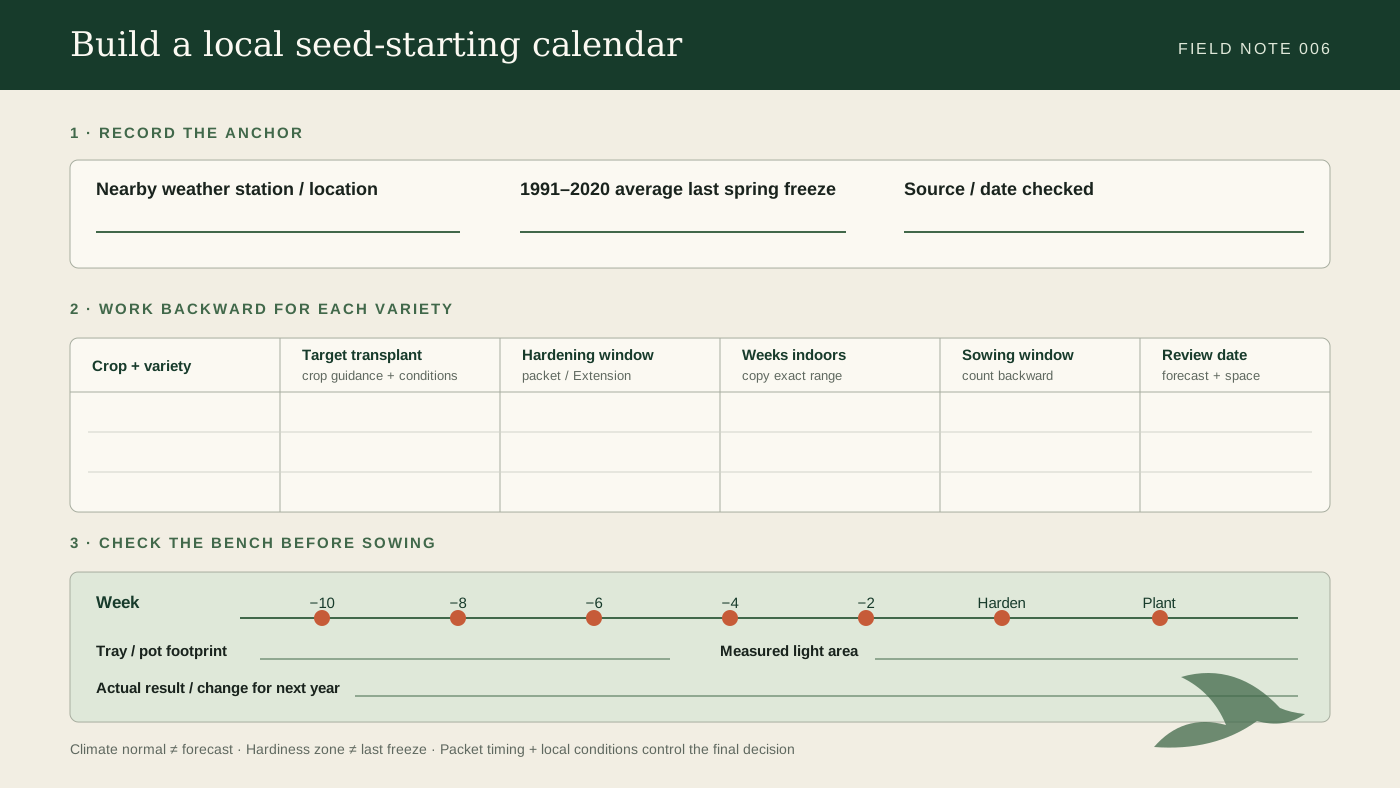 Field note 006 · Propagation
Let local conditions set the schedule
Find a nearby average last spring freeze, work backward with each packet, and check whether the light shelf can support the plan.
Open the seed-starting worksheet →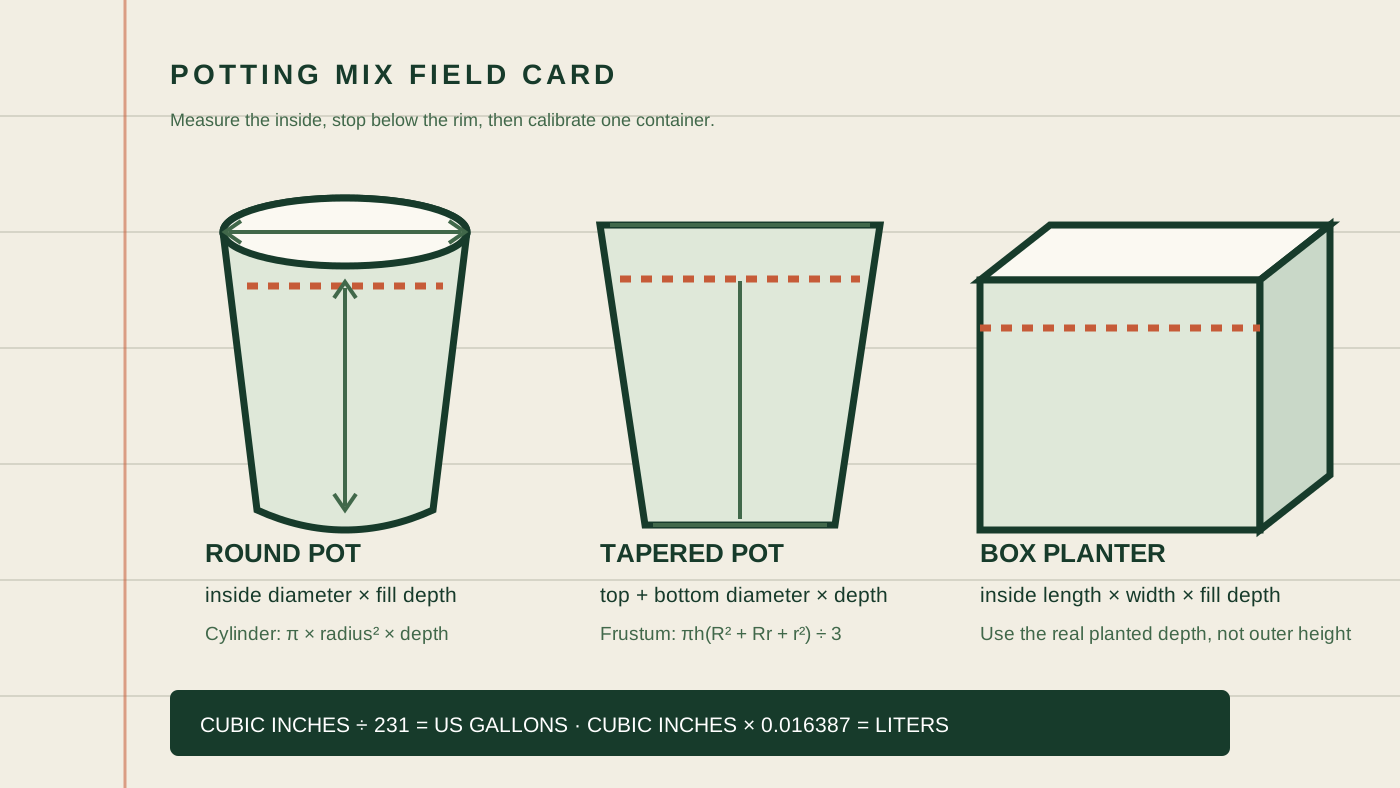 Field note 005 · Containers
Buy the volume the roots will use
Measure the real fill line, calculate round, tapered, or rectangular volume, then calibrate one container before multiplying the project.
Open the container volume worksheet →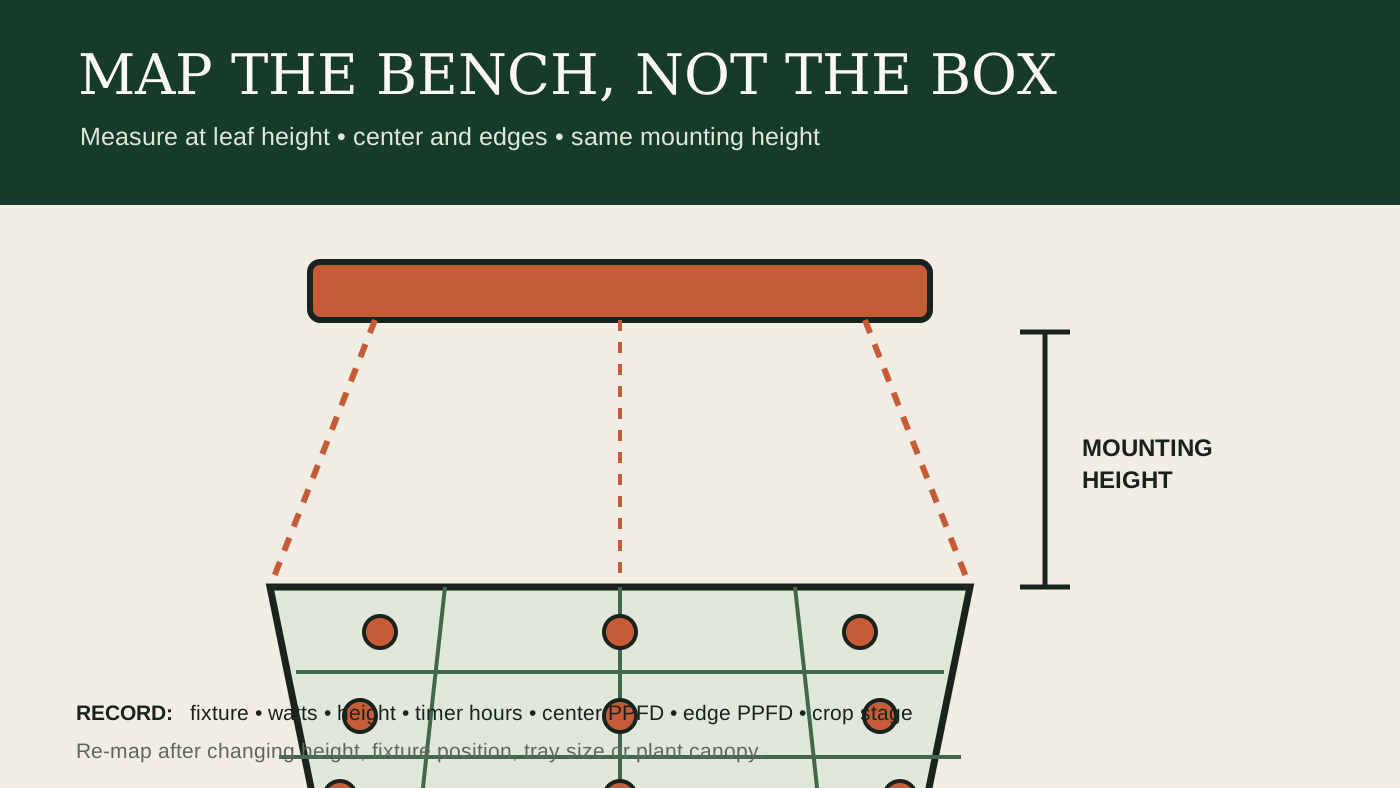 Field note 002 · Light
Measure the bench, not the box
Use center and edge readings, mounting height, timer hours, and a simple daily light integral estimate before deciding the crop needs a larger fixture.
Read the grow-light field guide →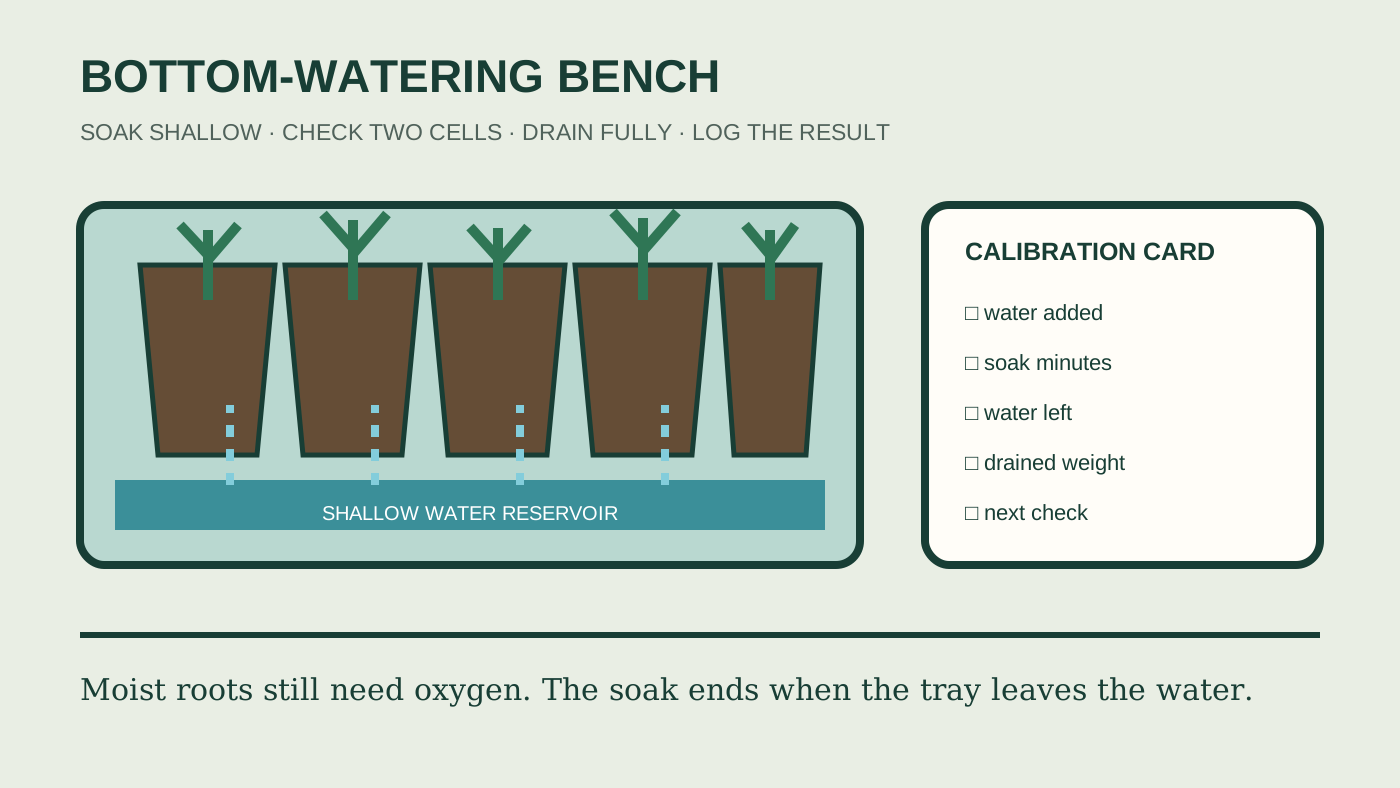 Field note 003 · Water
Water roots without waterlogging
Measure the reservoir volume and soak time, verify moisture in center and edge cells, then drain fully to keep air in the root zone.
Read the seedling watering field guide →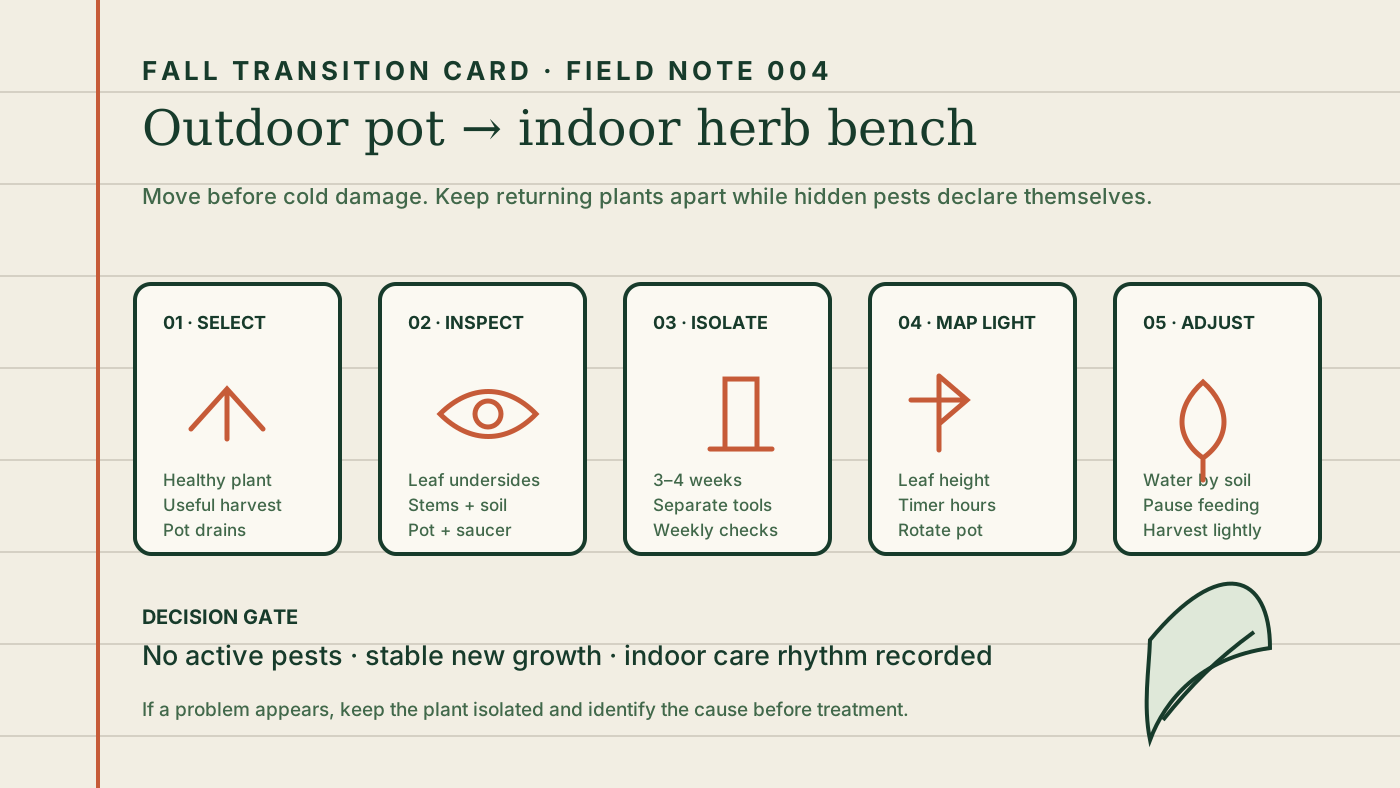 Field note 004 · Seasonal transition
Move the useful plants, not every pot
Select healthy plants, inspect every surface, isolate them for three to four weeks, and replace the outdoor watering calendar with measured indoor care.
Open the four-week transition plan →The growing list
Approved products, setup guides, and seasonal maintenance—no daily deal churn.